this is part 2 — read part one at 500 Years.
note: ancestry screenshots are anchored to my grandfather, manley ray bell (1927-2003). i'm his granddaughter, courtney crosslin (sisi in brasil). to find my direct relationship to any ancestor shown, add one generation --- e.g., "11th great-grandfather" becomes my 12th great-grandfather.

research and archival work: p. pierson (family). genealogical expert: angela walton-raji.
book: My Life and An Era Buck Colbert Franklin’s autobiography
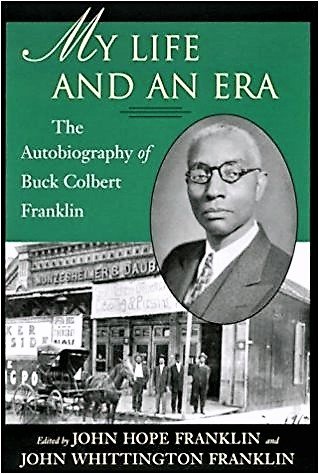
the tent in the ashes
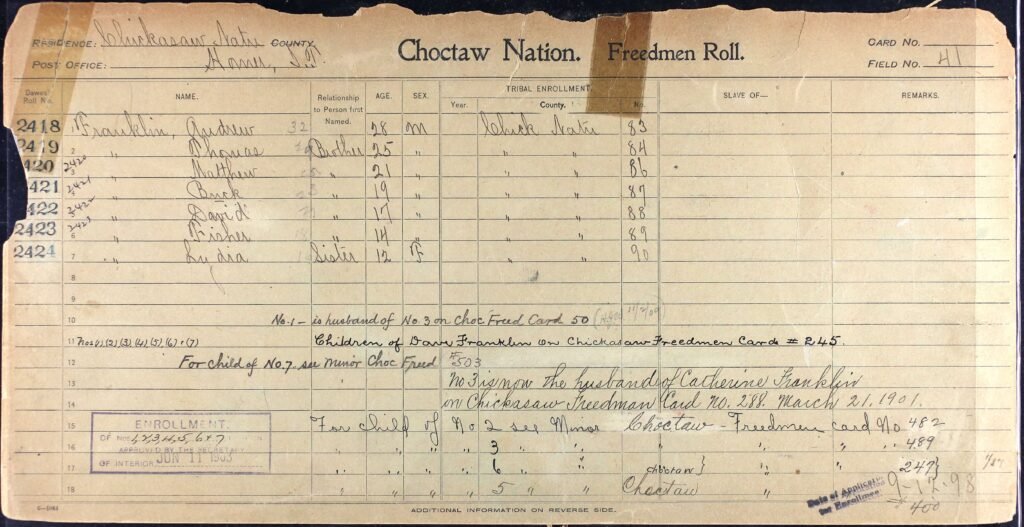
buck colbert franklin was born in 1879 in the chickasaw nation. enrolled as a choctaw freedman. he went to morehouse college. became a lawyer. moved to tulsa in early 1921 and set up practice in the greenwood district —black wall street.
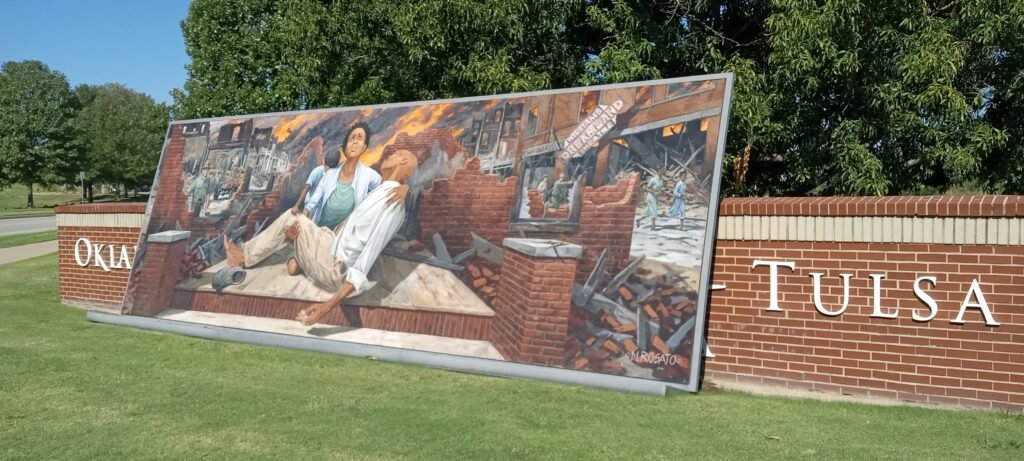
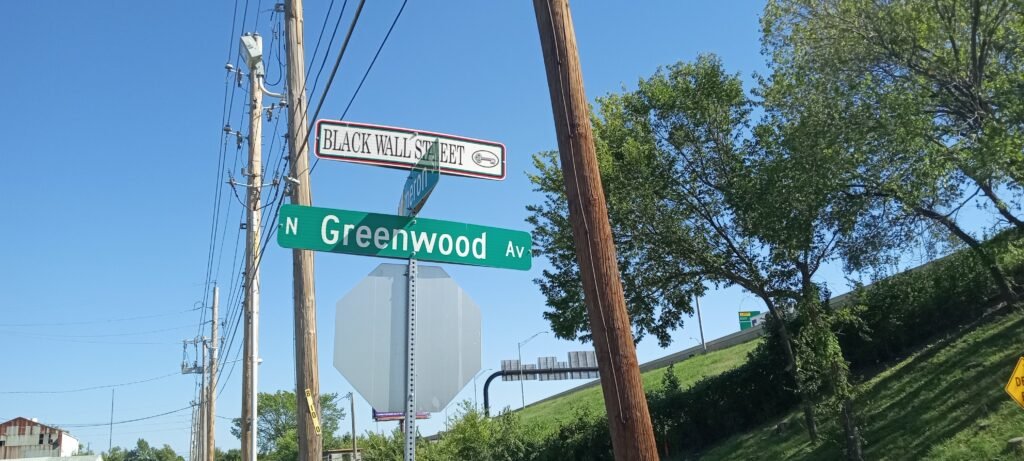
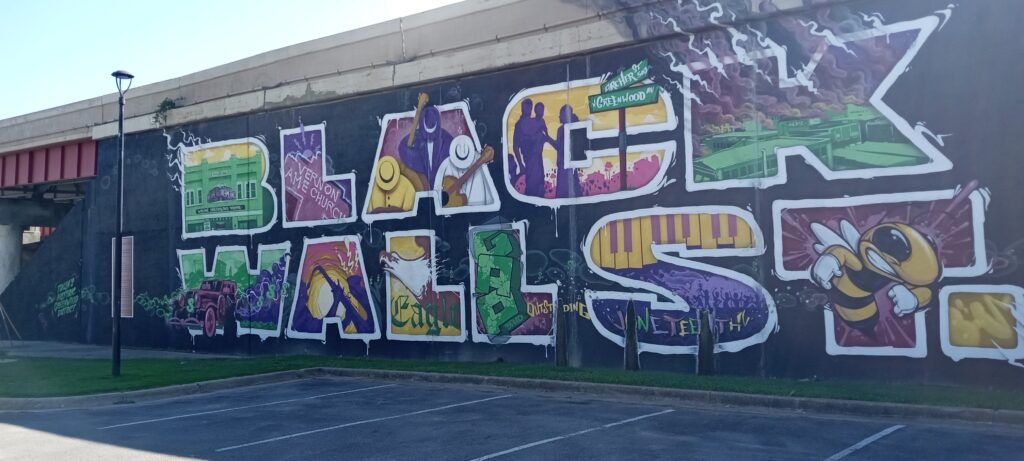
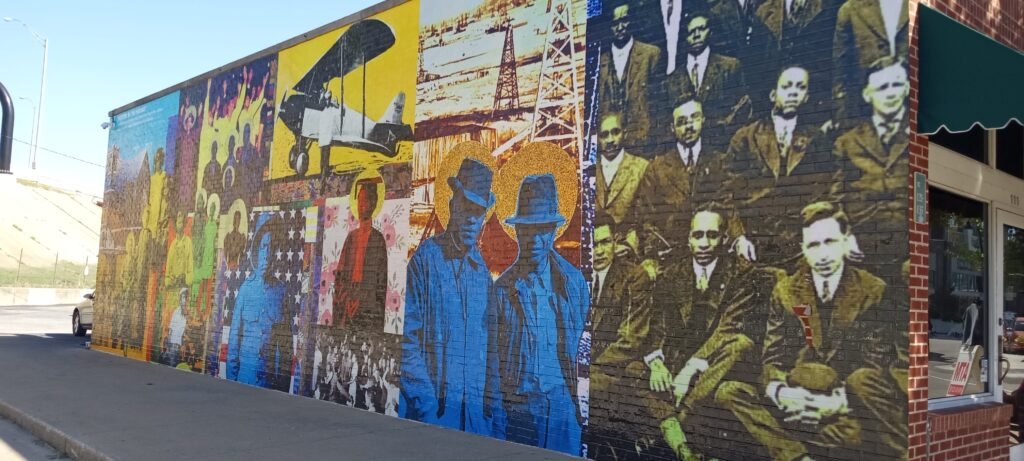

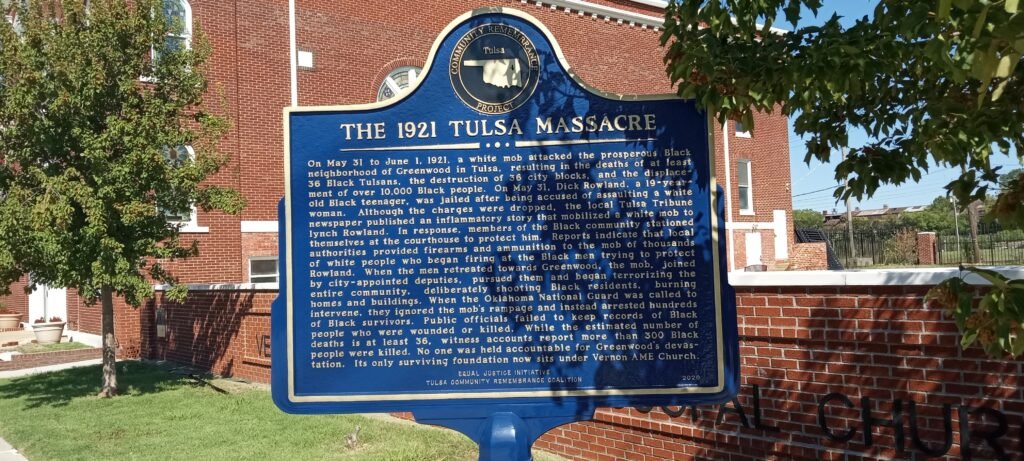
months later, the tulsa race massacre happened. white mobs burned greenwood to the ground. hundreds of Black people were killed. buck survived. he was interned by the authorities. when they released him, he set up a law office in a canvas tent in the middle of the rubble.
“Believed to be the single worst incident of racial violence in American history, the bloody 1921 outbreak in Tulsa has continued to haunt Oklahomans. During the course of eighteen terrible hours on May 31 and June 1, 1921, more than one thousand homes and businesses were destroyed, while credible estimates of deaths range from fifty to three hun dred.” TULSA RACE MASSACRE – The Encyclopedia of Oklahoma History and Culture
“The Tulsa race massacre was a two-day-long terrorist[12][13] massacre[14] perpetrated by white supremacists that took place in the Greenwood District of Tulsa, Oklahoma, United States, between May 31 and June 1, 1921. Mobs of white residents, some of whom had been armed and appointed as deputies by city government officials,[15] attacked black residents and their homes and businesses.” via wikipedia
and then he sued the city of tulsa.
he won. the city had passed an ordinance designed to prevent Black people from rebuilding — essentially stealing their land through zoning law. buck struck it down. greenwood survived because of him.
his son was john hope franklin. one of the most important historians in american history. author of “from slavery to freedom.” professor at duke, chicago, howard. chair of president clinton’s advisory board on race. the john hope franklin center at duke is named for him. the reconciliation park in tulsa honors both him and his father.
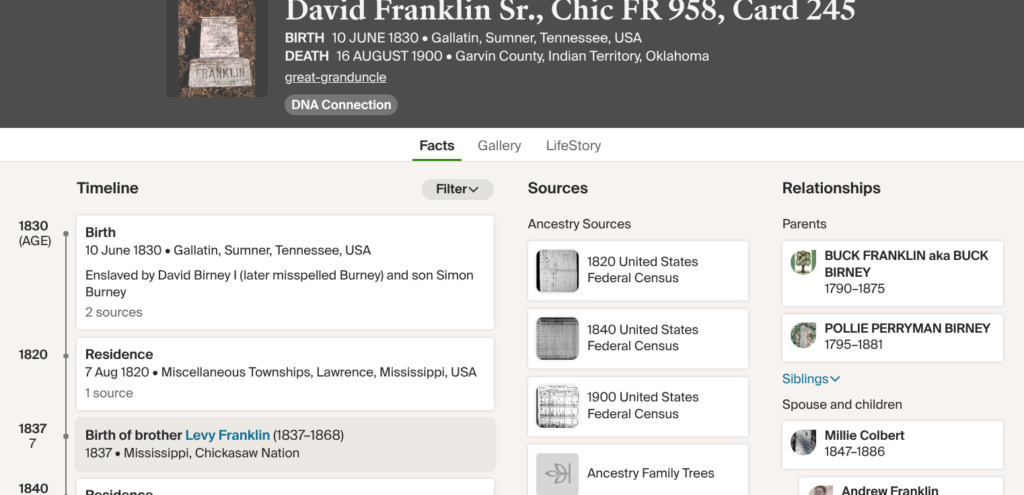
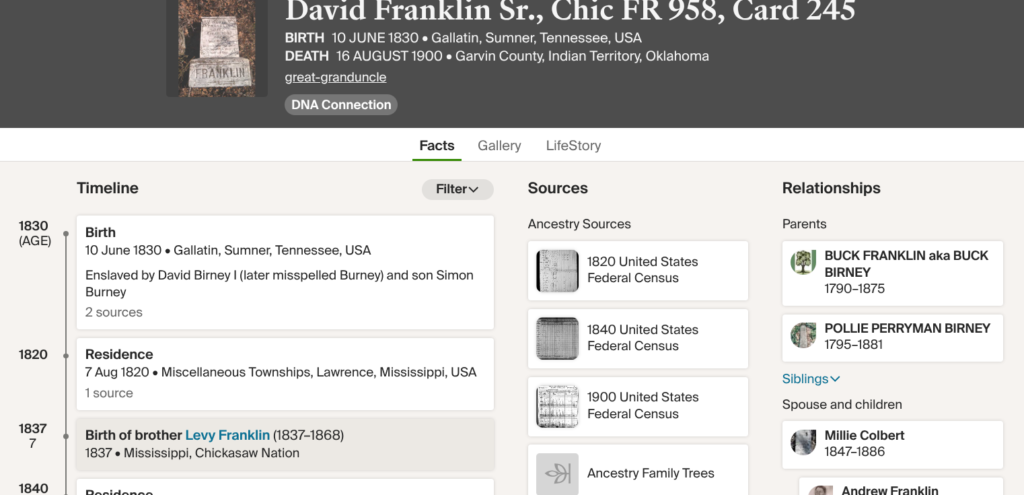
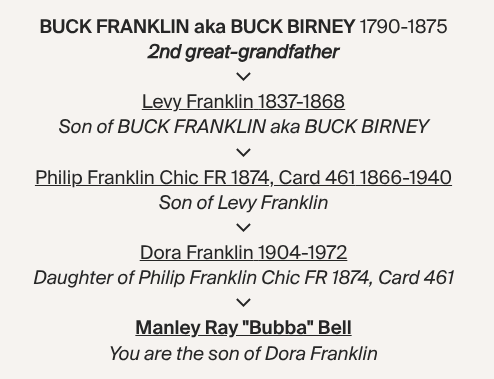
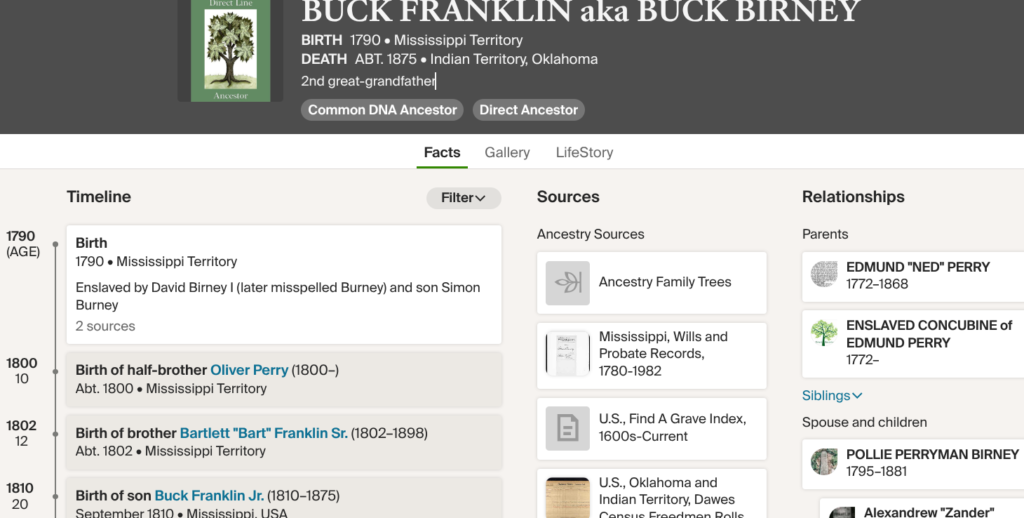
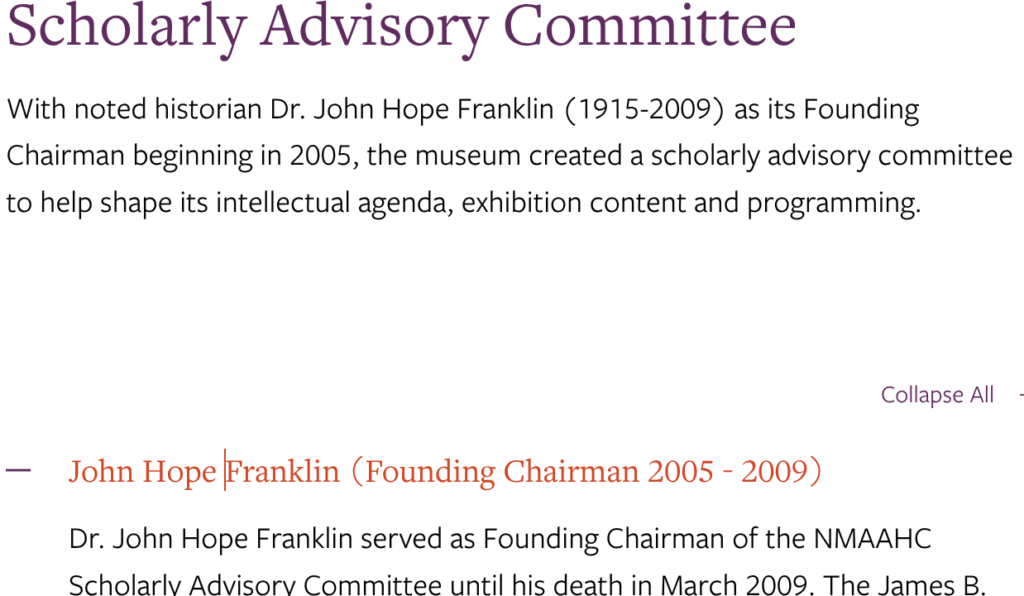

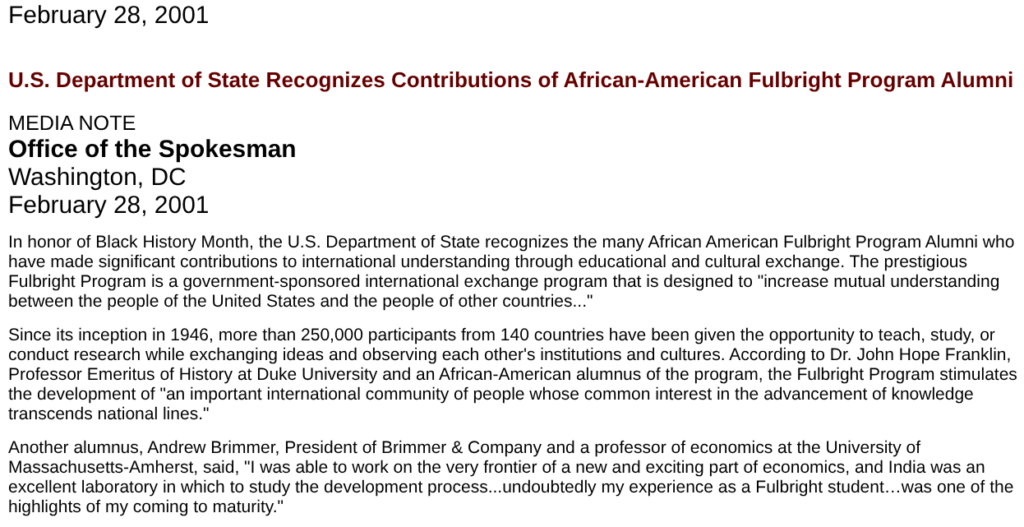
john hope franklin is my 2nd cousin three times removed.
- National Museum of African American History and Culture (NMAAHC)
- Duke John Hope Franklin Center
- John Hope Franklin Center for Interdisciplinary and International Studies
“The Franklin Humanities Institute (FHI) is an interdisciplinary humanities center at Duke University dedicated to supporting humanities, arts, and social science research and teaching.[1] Named after the prominent African American historian and civil rights activist John Hope Franklin, who retired from Duke in 1985 as the James B. Duke professor of history, the institute has also made a commitment to promote scholarship that enhances social equity, especially through research on race and ethnicity.” via wikipedia
U.S. Department of State Recognizes Contributions of African-American Fulbright Program Alumni
France Winddance Twine | Digging Up the Past: Race & Class in Brazi talk given at John Hope Franklin Humanities Institute at Duke U.
what it feels like to read this from bahia
i am sitting in the city where my yoruba ancestors’ cousins were brought on a different ship. 230 years later, i moved here. i didn’t plan it. the blood came home.
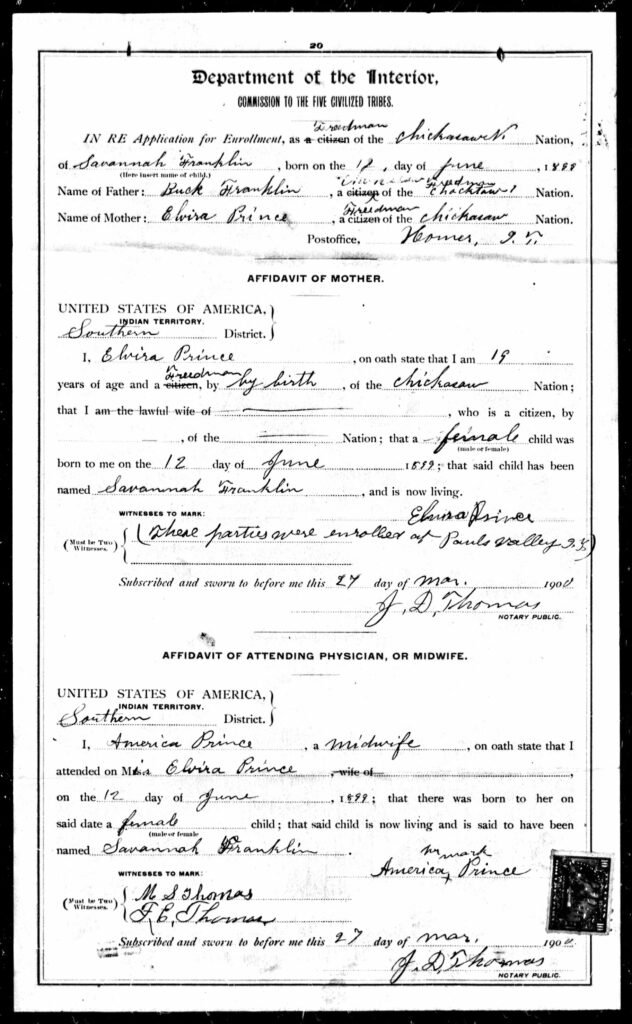
and i am sitting with all of it at once. the chiefs who met kings. the women who were never named. the man who set up a law office in a tent after a massacre. the scottish trader who married into a nation and then his descendants enslaved people. the dawes card that decided whether you were a person or a category.
“The Dawes Rolls (or Final Rolls of Citizens and Freedmen of the Five Civilized Tribes, or Dawes Commission of Final Rolls) were created by the United States Dawes Commission. The commission was authorized by United States Congress in 1893 to execute the General Allotment Act of 1887.[1]” via wikipedia
“Dawes Act (1887) – Approved on February 8, 1887, “An Act to Provide for the Allotment of Lands in Severalty to Indians on the Various Reservations,” known as the Dawes Act, emphasized severalty – the treatment of Native Americans as individuals rather than as members of tribes.” via archives.gov
i am grateful for the woman in my family (“lady jackson) who spent years doing this research on ancestry.com. without her, none of this would exist. i am grateful that i have access to records at all — because many Black americans don’t. the wall hits and the records stop. my father’s side hit that wall in arkansas. his siblings listed as property of the landowners. i stopped researching. it was too much.
and i think about Black brazilians. who have almost no access to any of this. whose records were deliberately destroyed. who cannot trace back further than a generation or two because the system was designed to erase them. i sit with that too.
this is the beginning of a much larger project. i’m going to record interviews with my elders — my mom, my aunts — while they still remember. i’m going to build something that can be passed to my son, my niece, my nephews, and their children. not just a document. something they can feel.
more is coming. a lot more.
if something in this stirred you, read the full bloodline. if you want to talk about what your own blood might be carrying,book a session. if you want to go deeper into the energetic and ancestral patterns behind all of this,vanguard mystery school is where that work happens.
500 years. documented. and i’m just getting started.