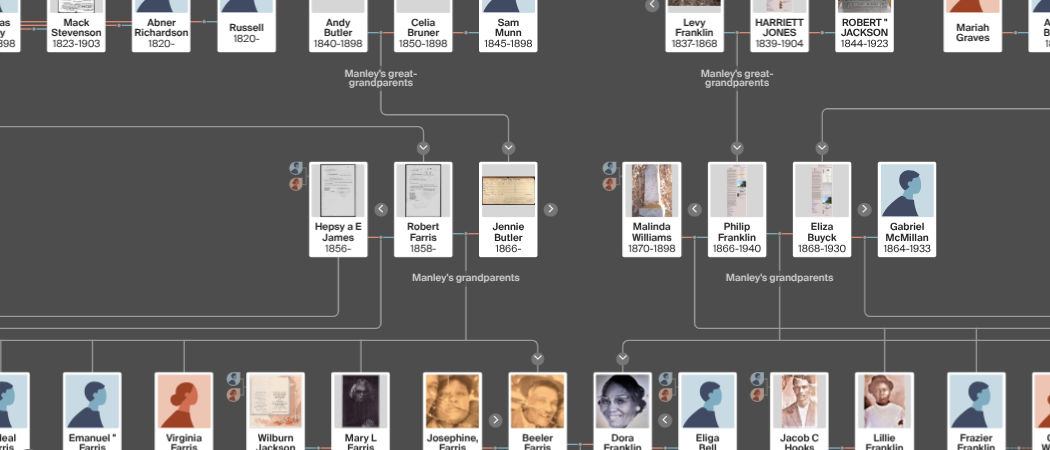
reviewing 500 years of my family history i found chiefs. warriors. diplomats who signed treaties with the king of england. a man who sued the city of tulsa after white mobs burned black wall street to the ground.
i also found white ancestors who married into indigenous nations and then enslaved people within those same nations. i found women listed as “slave of.” no first name. no birth date. just a line in someone else’s property record.
and i had to sit with all of it at the same time.
what it means to read this from bahia
i am sitting in bahia, brazil. my yoruba ancestors’ cousins were brought to this exact city on a different ship 230 years ago. i moved here without knowing that. i didn’t plan it. the blood planned it.
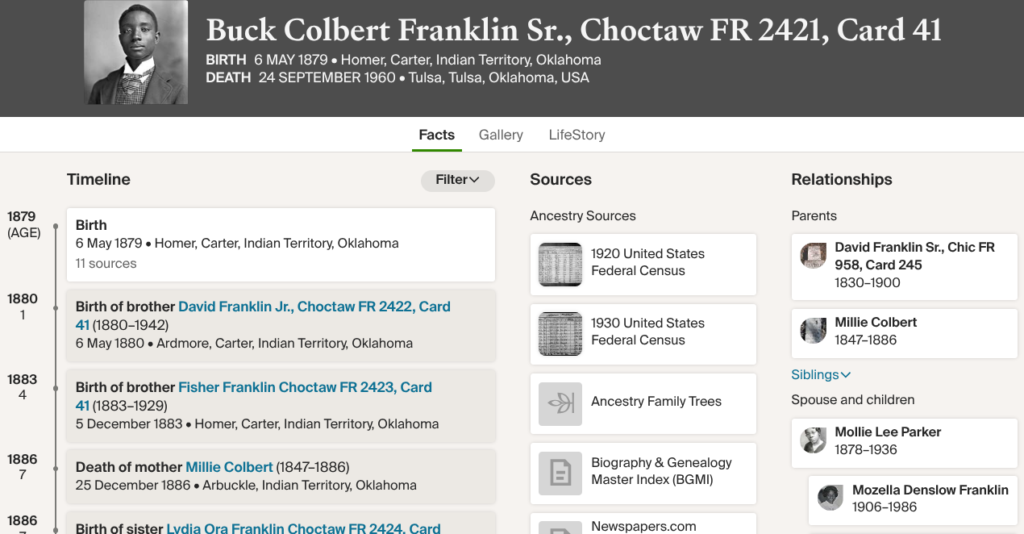
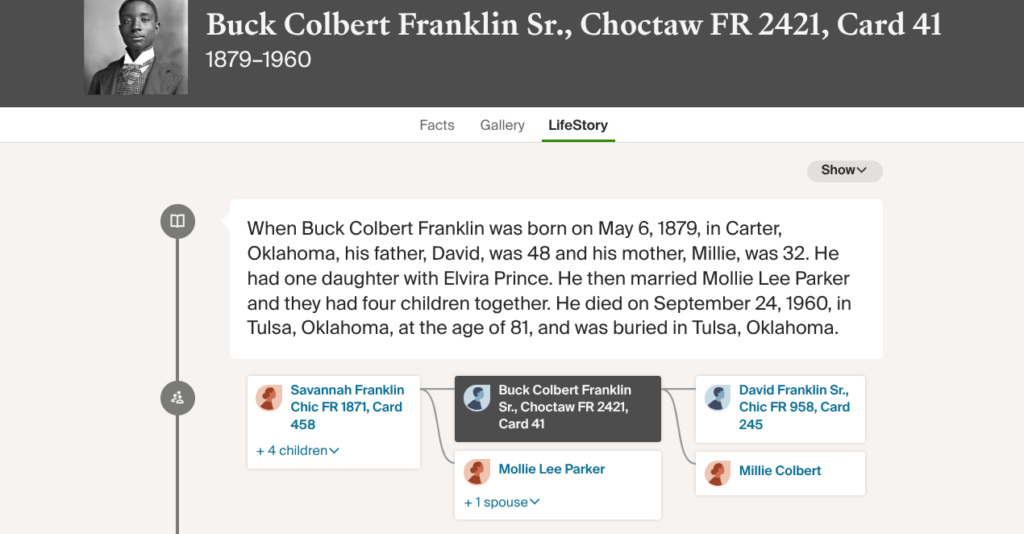
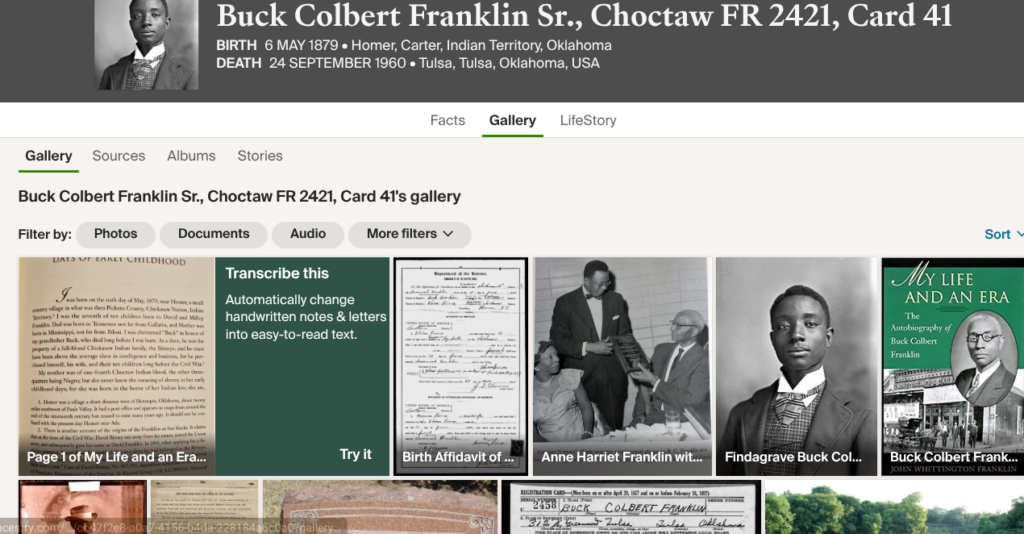
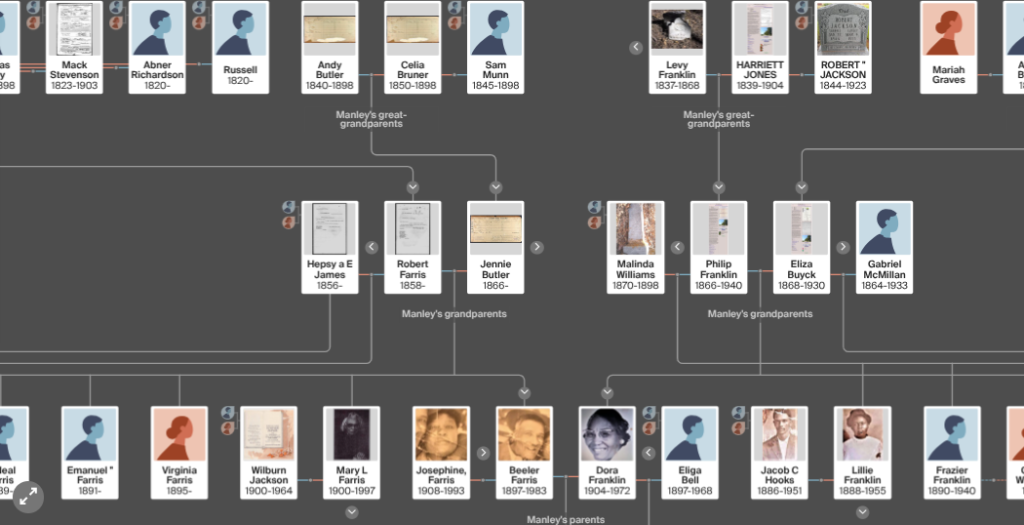
and while i sit here with a 500-year documented bloodline — verified against census records, dawes rolls, tribal treaties, colonial documents, and ship manifests — i think about my neighbors. Black brazilians whose records were deliberately destroyed. whose ancestry was systematically erased. who cannot trace back further than a generation or two. not because the history doesn’t exist. because the system was designed to make sure they’d never find it.
that is not lost on me. not for a single second.
the part nobody wants to talk about
my tree includes james logan colbert. a scottish trader who crossed the ocean in the 1700s and married three chickasaw women. his descendants became the elite of the chickasaw nation. they negotiated treaties. they controlled trade routes. they also became slaveholders.
so i have white ancestors who married into indigenous nations for access and power. and i have unnamed women — enslaved women — who more than likely did not have a choice in what happened to their bodies. those women are in my bloodline too. they gave me life without ever being given the dignity of a recorded name.
i wonder how they navigated. i wonder what they told their daughters. i wonder if they would recognize me sitting here in bahia, reading about them on a phone, trying to honor something that was never meant to survive.
the wall on my father’s side
this is my mother’s line. the bell and franklin families. documented, verified, cross-referenced.
my father’s side is a different story.
i tried. i started the research. and i stopped when i found that his siblings were listed as property of the landowners in arkansas. not people. property. with a dollar value next to their names.
i closed the laptop. i haven’t gone back.
that frustration and that anger is something millions of Black americans experience. you go looking for your history and what you find is a receipt. a bill of sale. an inventory list. and then someone charges you $29.99 a month for the privilege of reading it.
we are expected to pay for access to records that document our ancestors being treated as merchandise. let that sit with you for a moment.
the people who won’t claim us
there is another layer to this that most people don’t talk about.
i have chickasaw, cherokee, choctaw, and powhatan ancestry. DNA confirmed. dawes roll card numbers documented. my ancestors are on the tribal rolls. but many indigenous communities today do not recognize Black descendants. the dawes commission put my ancestors on the freedmen rolls instead of the “by blood” rolls — not because they lacked indigenous heritage, but because they looked Black. that bureaucratic checkbox from 1893 still determines who gets recognized today.
if you saw the movie sinners — which was massive in both the US and here in brazil — you saw choctaw characters navigating a world where indigenous and african american identity overlap in complicated, sometimes painful ways.
that is not fiction for me. that is my dawes card. that is my family tree. the difference is that the movie ends after two hours. my ancestors lived it every day.
what i found that changed everything
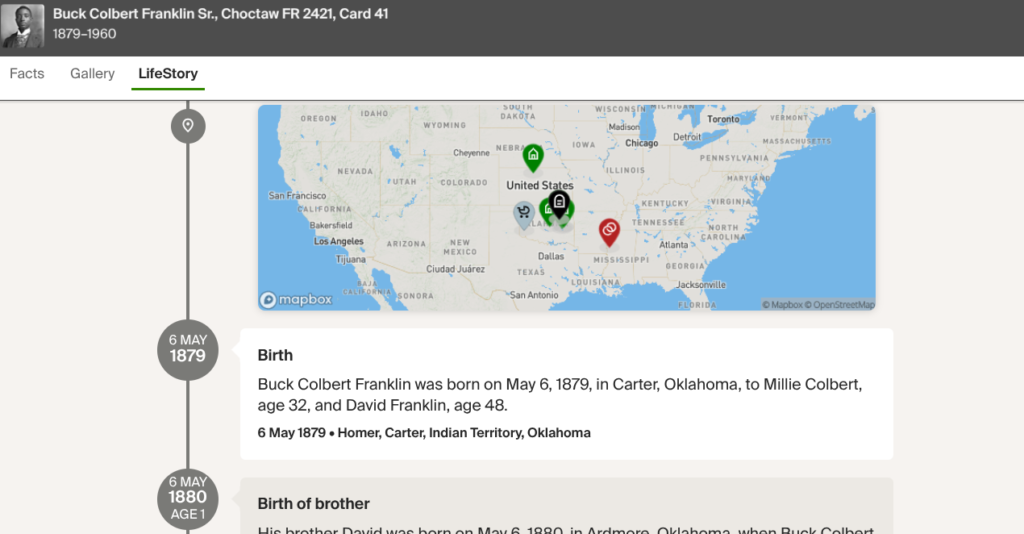
buck colbert franklin. born 1879 in the chickasaw nation. enrolled as a choctaw freedman. went to morehouse college. became a lawyer. moved to tulsa in 1921 and set up practice in the greenwood district — black wall street.
months later, the tulsa race massacre happened. white mobs destroyed everything. hundreds of Black people killed. buck survived. he was interned. when they released him, he set up a law office in a canvas tent in the middle of the rubble. and then he sued the city.
he won. he struck down a zoning ordinance designed to prevent Black people from rebuilding. greenwood survived because of him.
his son was john hope franklin. author of “from slavery to freedom” — one of the most important books in american history. professor at duke, university of chicago, and howard. chair of president clinton’s advisory board on race. the john hope franklin center at duke is named for him. the john hope franklin reconciliation park in tulsa honors both him and his father. his work is featured at the national museum of african american history and culture in washington, d.c.
john hope franklin is my cousin. documented.
the woman who made this possible
i need to acknowledge the woman in my family who spent years doing the research that made all of this possible. she built the tree on ancestry.com. she collected the records. she connected the dots across centuries and state lines and tribal territories. without her, i would have had a DNA test and a feeling. because of her, i have 500 years of verified names, dates, and documentation.
not everyone has that person in their family. and not every family has records that survived. i know how fortunate i am. that is exactly why i feel a responsibility to do something with it.
what i am doing with this
i am building a family archive. not just a document — something that can be experienced. audio. video. infographics. interactive timelines. podcasts. quizzes for family reunions. something my son, my niece, my nephews, and their children can engage with in their own way.
i am also collecting first-hand testimony from my elders. my mother. my aunts. the people who still remember my grandparents — nadine and manley bell, josephine and beeler farris. their memories are the connective tissue between the documents and the people. before those memories fade, i am going to record them.
the question i keep coming back to
do you know where you come from? because i didn’t. not really. not until i sat down in bahia and looked. and what i found was chiefs and warriors and unnamed women and a man in a tent who saved a city and a cousin who wrote the book on american history and a bloodline that crosses oceans and centuries and every border that was ever drawn to keep us apart.
500 years. documented. and i am just getting started.